Days 1 and 2: Settle into Rome
Day 1: Keep arrival gentle. Settle into your accommodation, share a meal and choose a short walk around a few central squares or the Trevi Fountain. Do not make an important paid booking depend on an incoming flight arriving exactly on time. Give everyone the next morning's meeting details before the group disperses.
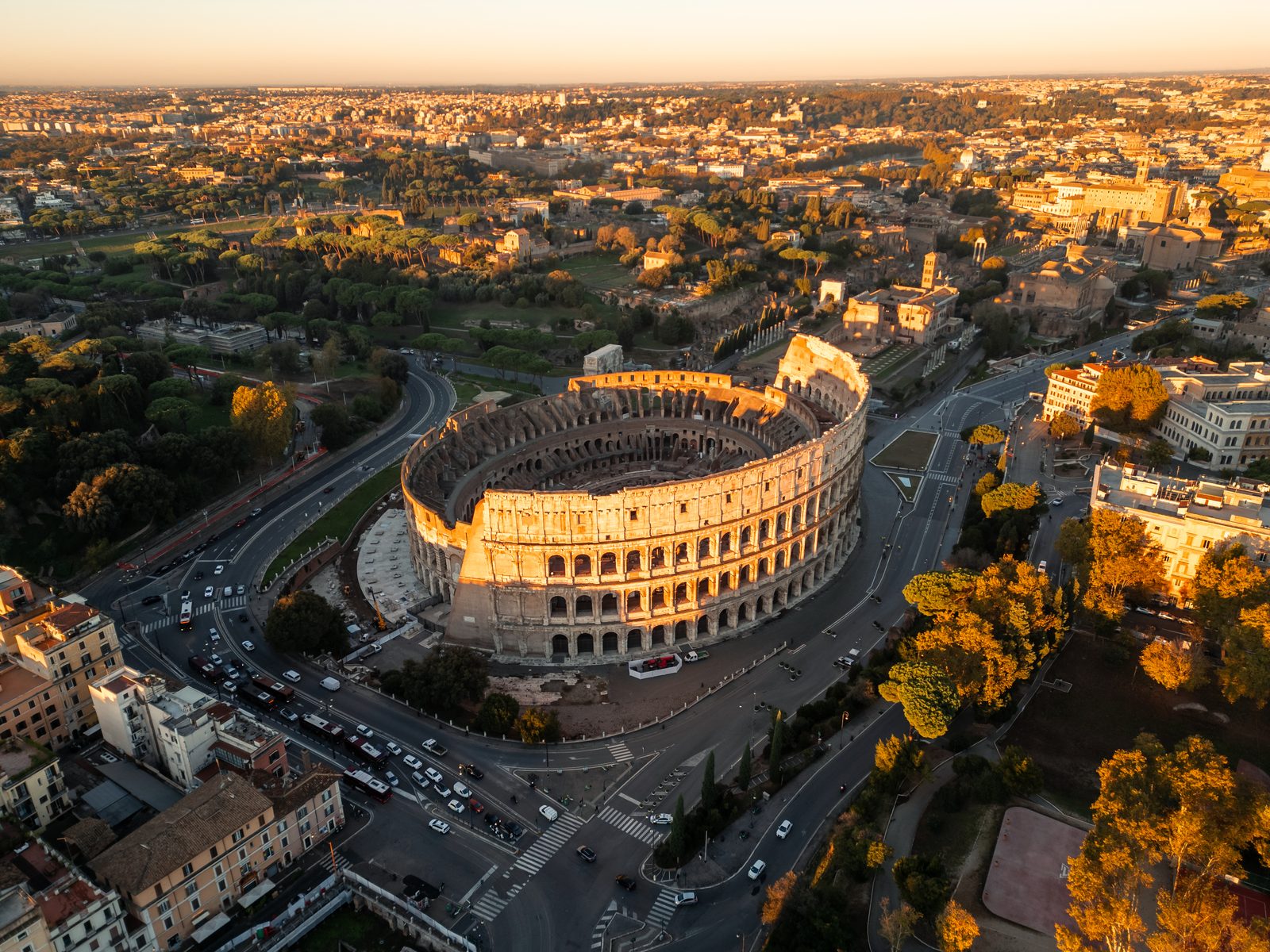
Day 2: Make ancient Rome the day's main theme. Choose the Colosseum and archaeological area if that matches your interests, with the correct entry arrangements checked beforehand. Allow a proper break after the main visit. Use the remaining time for one optional museum or a slower neighbourhood walk rather than another long circuit.
Days 3 and 4: Give Florence a clear focus
Day 3: Travel to Florence and treat the journey as a substantial part of the day. After checking in, take a first walk around the Duomo area and towards the river. A simple arrival programme leaves time for luggage, room arrangements and the inevitable questions that appear when a group changes hotels.
Day 4: Choose one major cultural visit, such as the Uffizi, and organise the entry before building the rest of the day. Spend the afternoon at a different pace, with time around Ponte Vecchio or another personally chosen stop. Agree where anyone skipping the museum will meet the group afterwards.
Days 5 and 6: Arrive in Venice with less to carry
Day 5: Continue to Venice and plan the final arrival carefully. Road transport does not take you through the historic centre to every hotel door. Confirm how luggage and passengers will complete that last stage, then keep your first walk and evening meal close to the accommodation you actually booked.
Day 6: Choose a main visit around St Mark's or another cultural site, then spend time exploring a different district. A smaller group can choose its own afternoon while keeping a shared dinner. Check current visitor arrangements and date-specific requirements through the city's official information before finalising tickets and meeting times.
Day 7: Protect the departure
Build the final morning backwards from the flight or train you need to catch. Account for checkout, luggage, the first transfer from the accommodation and the main onward journey. Only add a final walk if it fits comfortably. An unhurried farewell meal or coffee is preferable to a sightseeing stop that puts the departure under pressure.
Book the structure before the extras
Fix accommodation and the two intercity journeys first. Compare rail travel and organised road transport against the passenger count, luggage and hotel locations. If booking a vehicle, confirm suitable access and meeting points with the provider for each city. Share the written route and leave the precise journey estimate to the arrangement you choose.
Give each day one main experience and one optional extra. Ask about mobility, dietary needs and room arrangements early, then keep those details in a single planning document. This route deliberately leaves out many worthwhile places: the aim is to enjoy three cities together, not claim that a week covers all of Italy.
Plan your group transport
Share your travel date, route, passenger numbers and luggage needs with the booking team. Vehicle availability and the journey price are confirmed through an individual quotation.
Plan with current information
Use the official sources below for current visitor arrangements, tickets and airport instructions before you travel.